
What Nordic Education Gets Right About Early Childhood Development?

What if childhood was not something to optimise, but something to truly experience? The Nordic curriculum begins with this simple but powerful idea, shifting the focus from early achievement to meaningful growth. Instead of asking how quickly a child can read or count, it asks whether the child feels secure, curious, and confident. This perspective changes everything. It allows children to explore without pressure, make mistakes without fear, and build a genuine love for learning that stays with them far beyond preschool.
Beyond Milestones Towards Meaningful Growth
The Nordic approach does not treat childhood as a checklist of skills to be acquired but as a phase of holistic development. Emotional well-being, social confidence, physical activity, and curiosity are valued just as much as early academics. This ensures that children are not just learning information but developing the ability to engage with the world around them. At Dibber, this translates into environments where every interaction, whether structured or spontaneous, contributes to a child’s overall growth.
Play As The Most Powerful Learning Tool
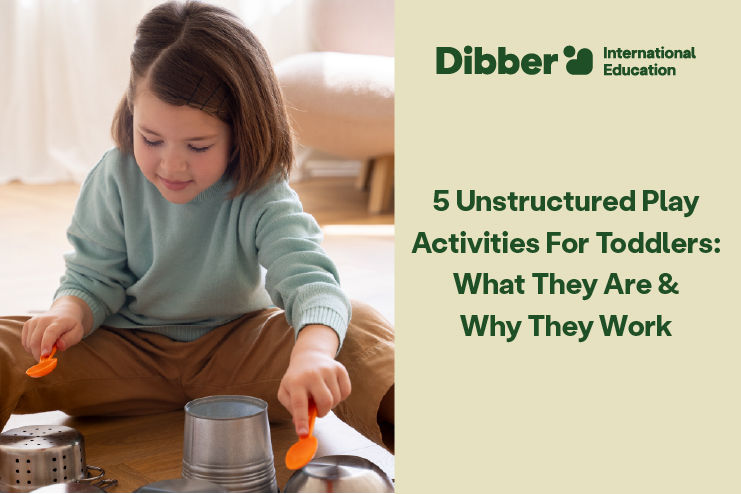
Play is not seen as a distraction from learning in Nordic education but as its most effective form. Through play, children experiment, collaborate, imagine, and solve problems without even realising they are learning. Whether it is building, storytelling, or outdoor exploration, these moments strengthen cognitive and social skills in a natural way. Dibber classrooms embrace this philosophy by creating playful learning experiences that feel joyful yet deeply purposeful.
Inclusion That Truly Values Every Child
One of the strongest aspects of the Nordic model is its commitment to equity and inclusion. Every child is seen, heard, and supported regardless of their background or pace of learning. This creates classrooms where differences are respected and individuality is celebrated. At Dibber, this belief is reflected in personalised attention and a nurturing environment where children are encouraged to grow as themselves rather than fit into a predefined mould.
Early Support Without Early Pressure
Play-based learning recognises the importance of early childhood without turning it into a race. Educators closely observe each child’s development and provide support where needed, but without pushing them into rigid academic expectations. This balance allows children to build confidence at their own pace while still receiving the guidance they need. At Dibber, this approach ensures that children feel supported, not pressured, as they begin their learning journey.
Engaged Educators™ Who Guide Rather Than Direct
Educators take on the role of facilitators rather than instructors. They create opportunities for children to explore, ask questions, and discover answers independently. This encourages active participation and builds confidence in thinking and decision-making. Dibber follows this philosophy by fostering interactive classrooms where children are not passive learners but active contributors to their own experiences.
Holistic Development As The Real Goal
A child-centred curriculum places equal importance on emotional, social, and physical development alongside academics. Children are encouraged to build relationships, express emotions, and engage in movement and outdoor activities. This creates a balanced foundation that supports long-term well-being. At Dibber, this holistic approach ensures that children grow not only as learners but as individuals who are aware, empathetic, and resilient.
Balanced Exposure To Technology
Rather than avoiding technology, the focus is on introducing it thoughtfully and in moderation. Children are given opportunities to explore digital tools in ways that enhance learning without replacing real-world experiences. This helps them build early digital awareness while staying grounded in play and interaction. At Dibber, technology is used as a supportive tool, ensuring children are prepared for a digital future without losing the essence of childhood.
Collaboration Over Competition
Competition is not the driving force in Nordic classrooms. Instead, children are encouraged to collaborate, share ideas, and learn together. This builds strong communication skills, empathy, and a sense of community from an early age. Dibber nurtures this spirit by creating environments where children grow alongside each other, learning the value of teamwork and mutual respect.
The Nordic curriculum gets one thing absolutely right. Childhood is not about getting ahead; it is about growth. By focusing on play, inclusion, emotional security, and holistic development, it creates a foundation that supports children far beyond their early years. At Dibber, these principles are brought to life every day, ensuring that children do not just learn for school, but learn for life.


Comments