
How The Nordic Curriculum Prioritizes Childhood Over Speed
Updated: Jun 26

Did you know that children in the Nordic countries often begin formal academics much later than many parts of the world, yet consistently rank among the happiest and strongest learners globally? Norway, for example, starts formal schooling at age six, but its education system is still widely respected for producing confident, capable, and emotionally resilient children.
This is largely influenced by the Nordic model of early childhood education, which prioritizes emotional well-being, play, creativity, and social development over early academic pressure.
This approach is rooted in their education, which believes that the early years should focus less on speed and more on healthy development. Instead of rushing children into reading, writing, and structured academics too early, these learning environments prioritize emotional security, play, creativity, movement, and social development.
For many parents in South Africa, this feels especially relevant today. Between packed schedules, screen time, and increasing academic pressure at younger ages, many parents are beginning to ask an important question: are children truly benefiting from being pushed too soon?
The answer is simple. Childhood is not a race!
Why Slowing Down Helps Children Learn Better
In many traditional learning environments, success is measured by how quickly a child reaches milestones. Parents often hear phrases like “advanced for their age” or “already reading at four.” While these achievements may sound impressive, child development experts consistently emphasize that early pressure does not always lead to better long-term outcomes.
The Nordic model of early childhood education focuses on developmental readiness instead of speed. Children are encouraged to learn at their own pace while building strong emotional and social foundations first.
For example, a three-year-old learning how to share toys, express emotions calmly, or solve small conflicts independently is developing skills that are just as important as learning numbers and letters.
These early emotional skills directly impact future confidence, relationships, classroom participation, and even academic performance later in life.
Play Is Treated As Real Learning
One of the biggest strengths of the Nordic curriculum is its deep commitment to play-based learning.
Play is not seen as a break from learning. It is learning.
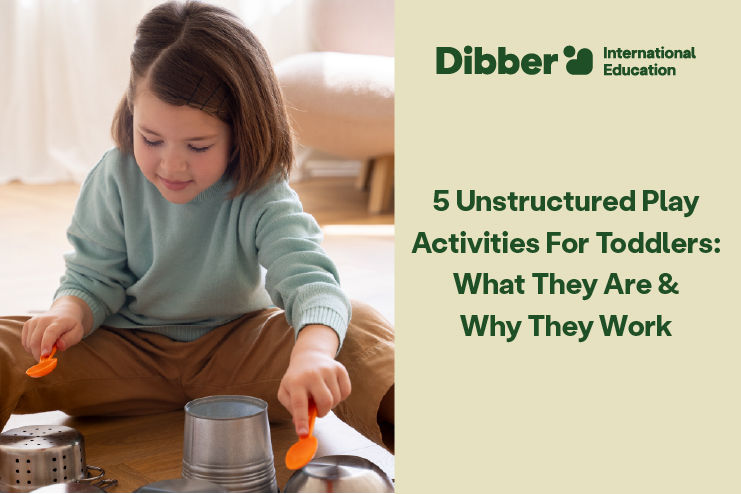
When children build blocks, engage in pretend play, paint, climb outdoors, or participate in group games, they develop critical thinking, language, creativity, coordination, and emotional intelligence naturally.
For young children between the ages of one and six, this kind of active learning is far more effective than long periods of sitting still or memorizing information.
In South Africa, many parents already notice this instinctively. Children often learn best through singing, storytelling, movement, and hands-on activities rather than rigid instruction. Nordic learning methods build these natural developmental patterns instead of working against them.
Emotional Well-Being Comes Before Performance
In Nordic nations, early childhood education places a strong emphasis on emotional well-being because children cannot learn effectively when they feel stressed, anxious, or overwhelmed.
Young children need environments where they feel secure, supported, and understood. Warm interactions with educators, predictable routines, and calm learning spaces help children regulate emotions and build confidence.
This is especially important during the early years, when emotional development is happening rapidly. For example, a child who feels safe asking questions or making mistakes is more likely to participate confidently in future classroom settings. On the other hand, constant pressure to “perform” can sometimes create fear around learning itself.
In our classrooms, for example, Engaged Educators™ focus on guiding rather than controlling. They observe each child’s interests, emotional needs, and learning style carefully.
Dibber follows a similar philosophy through engaged educators who actively connect with children, encourage independence, and create meaningful interactions during everyday learning experiences.
Holistic Development Matters More Than Early Achievement
The Nordic model of early childhood education focuses on developing the whole child instead of prioritizing academics alone.
This includes:
Emotional development
Physical movement
Social interaction
Creativity
Communication skills
Independence
Healthy routines
Children are encouraged to spend time outdoors, move freely, explore sensory experiences, and participate in daily routines independently.
Even mealtimes are considered a learning opportunity.
The Dibber Meal™ supports this holistic approach by encouraging healthy eating habits, social interaction, and independence during shared mealtimes. These moments may seem simple, but they help children build confidence, communication skills, and positive routines.
Preparing Children For Life, Not Just School
One common misconception is that children need strict academics very early to succeed later. However, research increasingly shows that emotional resilience, adaptability, creativity, and problem-solving are equally important for long-term success.
This learning model prepares children for life by helping them become emotionally secure, curious, independent, and socially confident.
A child who knows how to communicate feelings, adapt to change, collaborate with others, and approach learning with confidence is often better equipped for future challenges than a child who has only focused on early academic performance. This balanced approach is becoming increasingly valuable in today’s fast-moving world.
A Healthier Way To Experience Childhood
Modern parenting often comes with pressure to constantly do more. More activities, more milestones, more structure, and more achievement.
The Nordic curriculum offers an alternative perspective. It reminds parents that children do not need rushed childhoods to become capable adults. They need connection, play, emotional security, healthy routines, and space to grow naturally.
When children are allowed to develop at their own pace, they often become more confident learners, stronger communicators, and happier individuals overall.
And perhaps most importantly, they get to experience childhood the way it was meant to be experienced. Calmly, curiously, and joyfully!


This article explains the Nordic early childhood philosophy in a very accessible way. Parents who are exploring play-based learning, emotional development, outdoor play, and slower childhood often save videos and expert talks into learning playlists. A YouTube playlist length calculator can help estimate the total watch time before planning a parent learning session.